

How Often Should Men Get a Haircut? A Barber’s Expert Advice
Why Haircut Frequency Actually Matters
A haircut is not just about the day you leave the barbershop. It is about how your hair behaves three weeks later. When you wait too long between cuts, a few things start happening.- Your haircut loses structure.
- Your mornings get harder.
- You use more product to force shape.
- Your beard and hair stop working together.
- It preserves the shape your barber created.
- It makes styling faster.
- It keeps your overall appearance intentional.
- It helps your hair look healthier because damaged ends get removed regularly.
Quick Reference Guide
Here is a general overview before we go deeper.- Skin fades and sharp tapers need attention every one to two weeks.
- Short hairstyles like crew cuts and buzz cuts work best every two to four weeks.
- Medium length styles hold shape around four to six weeks.
- Long hair benefits from trimming every eight to twelve weeks.
- Beards need shaping every one to three weeks depending on length.
Skin Fades and Tapers
Recommended Schedule: Every One to Two Weeks
If you wear a skin fade, high fade, mid fade, or tight taper, you already know the truth. These cuts look incredible when fresh. But they do not age quietly. Fades depend on contrast and precision. The clean blend from skin into length is what makes them sharp. As soon as new growth comes in, that contrast softens. Here are clear signs you are overdue.- The sides look fuller.
- The fade line is no longer defined.
- The neckline has visible growth.
- The front line up looks fuzzy.
Short Hairstyles
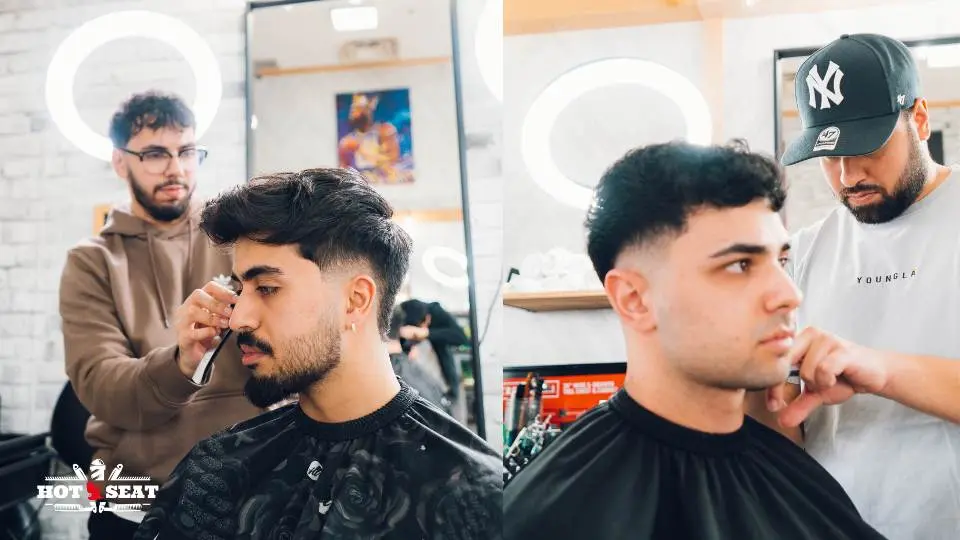
Recommended Schedule: Every Two to Four Weeks
Buzz cuts, crew cuts, short textured crops, and classic short cuts fall into this category. These styles are lower maintenance than fades, but they still change quickly. The shorter the haircut, the more noticeable growth becomes. After about two weeks, most short styles start losing their clean outline. The sides begin pushing out and the overall silhouette changes. If you prefer a tight, disciplined look, two weeks works well. If you are comfortable with a slightly grown in appearance, three to four weeks is realistic. Many men who ask how often should men get a haircut fall into this category. The answer often depends on how clean you want to look at all times.Medium Length Styles
Recommended Schedule: Every Four to Six Weeks
Medium length styles include pompadours, side parts, quiffs, and layered cuts with movement. These styles give flexibility. You can wear them textured, slicked back, or natural. Because there is more length, they do not fall apart as fast as short cuts. But shape still matters. Over time, the sides get heavier. The top loses its balance. You need more product to hold volume. Clear signs it is time for a trim include the following.- Your hair no longer holds shape without extra effort.
- Your part looks messy instead of clean.
- You feel like you are fighting your own haircut.
Long Hair
Recommended Schedule: Every Eight to Twelve Weeks
Long hair does not need frequent cutting, but it absolutely needs maintenance. One of the biggest misconceptions is that skipping trims makes hair grow faster. In reality, avoiding trims leads to split ends. Those splits travel upward and create frizz and weakness. Regular trimming every two to three months keeps ends healthy and balanced. Signs long hair needs attention include the following.- The ends feel dry.
- Hair tangles easily.
- The overall shape feels uneven.
Curly and Wavy Hair
Recommended Schedule: Every Six to Eight Weeks
Curly hair plays by different rules. It shrinks, expands, and reacts to humidity. Because curls coil, growth is not always obvious in length. But shape changes quickly. Common issues with overdue curly cuts include the following.- The cut becomes triangular.
- Curls lose definition.
- The back grows heavier than the sides.
Beard Maintenance
Haircuts and beards are connected. When one is sharp and the other is neglected, the imbalance shows.- Short beards benefit from shaping every one to two weeks.
- Medium beards can go two to three weeks.
- Long beards often need three to four weeks.
Factors That Change Your Ideal Schedule
Hair Growth Speed
Some men grow hair quickly. Others do not. Genetics plays the main role here. If your hair grows fast, reduce your cycle by about one week.Hair Density and Texture
Thick hair builds bulk faster. Fine hair loses structure sooner. Straight hair reveals growth clearly. Curly hair hides length but changes shape. Texture always influences timing.Lifestyle and Profession
If you work in sales, hospitality, management, or client service, consistency matters more. Clean presentation builds confidence and trust. If you work remotely or in a more relaxed environment, stretching your schedule might not impact you the same way.Personal Preference
Some men like a polished, always fresh look. Others prefer a natural grown in style. Neither is wrong. It is about intention.How to Make Your Haircut Last Longer
Use Proper Styling Products
- Pomade adds shine and control.
- Clay builds texture and volume.
- Cream keeps movement natural.
- Sea salt spray enhances casual styles.
Keep the Neckline Clean
The neckline is usually the first thing to look messy. Even a great haircut looks unkempt if the back is overgrown.Avoid Overwashing
Washing too often dries the scalp and hair. Dry hair becomes harder to style and loses definition. For most men, washing two to four times per week is enough. For further scalp health information, referencing American Academy of Dermatology hair care advice would be a credible external resource.Signs You Are Overdue
- Your hair no longer styles the same way.
- You are using more product than usual.
- You wear hats more often to hide growth.
- The sides feel bulky.
- Your beard and haircut feel disconnected.
Finding Your Personal Rhythm
- Short hair works best every two to four weeks.
- Medium styles sit comfortably at four to six weeks.
- Long hair stays healthy with eight to twelve week trims.
- Fades demand attention every one to two weeks.
- Beards need shaping every one to three weeks.