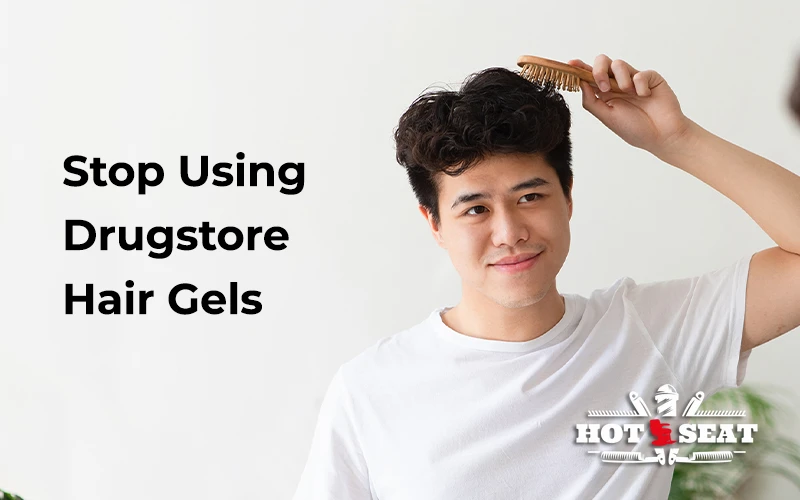
Hair gel helps you control your style, but depending on the formula and how often you use it, it can affect your hair and scalp health more than you realize.
Overview of Hair Gel Usage
Most people use gel for control. Whether it’s shaping, directing, holding volume, or calming frizz, the goal is structure. Hair gel works by forming a thin film over the hair shaft that stiffens as it dries.
This coating effect gives you hold, but it also changes how the hair surface behaves. If the gel is layered repeatedly without proper washing, buildup can form and lead to stiffness, dullness, and scalp discomfort.
Composition of Hair Gel
Most hair gels contain water, film forming polymers, alcohol, preservatives, fragrances, and humectants like sorbitol or propylene glycol. Each ingredient plays a role in texture, drying speed, or stability.
Some formulas also include mild acids such as citric acid. While generally safe in cosmetic amounts, prolonged exposure combined with frequent use may affect the outer cuticle layer over time.
Alcohol in Hair Gel
Alcohol is commonly used to help gels dry quickly and set firmly. However, alcohol heavy formulas can strip natural lipids from the scalp and hair fiber, leading to dryness and brittleness when used daily.
If your scalp already feels dry or itchy, alcohol based styling products may worsen the issue. Scalp dryness often overlaps with seasonal skin dryness, especially in colder climates.
If you struggle with dryness or flaking, especially during winter, this guide on
winter beard care and preventing dry skin and itchiness
explains how environmental factors affect skin and hair.
Effects on Hair Structure
Hair fibers rely on intact cuticles and internal protein bonds to remain flexible. When gels are combined with heat styling or chemical treatments, structural stress can increase.
Over time, repeated exposure to harsh formulas may contribute to reduced elasticity, split ends, and breakage, especially if conditioning routines are neglected.
Impact on Scalp Health
Hair gel is designed to stay in contact with the scalp for long periods. Unlike shampoo, which is rinsed off quickly, gel remains on the skin for hours.
This prolonged contact can sometimes weaken the scalp barrier, especially if surfactants and alcohol are present in high concentrations. Symptoms may include itching, flaking, or irritation.
Common Hair Problems from Overuse
Frequent or excessive use of hair gel may lead to stiffness, reduced flexibility, breakage, visible buildup, and dull appearance. Applying gel over old residue increases these risks.
In most cases, these effects are reversible once usage is reduced and proper cleansing routines are restored.
Conclusion
Hair gel is not inherently harmful, but its impact depends on formulation, frequency of use, and overall hair care habits. Choosing balanced formulas, avoiding daily buildup, and maintaining scalp health can significantly reduce potential side effects.
When used responsibly, hair gel remains a valuable styling product. The key is moderation and awareness of how your hair and scalp respond.