
Quick answer:
Learning how to choose a barber in Richmond Hill starts with more than checking ratings or looking at fresh haircut photos. Look for someone who understands your hair texture, listens to your preferences, explains what will work, and delivers a haircut you can maintain comfortably between appointments. The right barber should make the process easier, not leave you guessing.
Finding a barber you trust sounds simple until you’ve had a few disappointing haircuts.
Maybe you showed someone a photo, explained exactly what you wanted, and still left with a fade that was too high. Maybe the haircut looked great in the chair but became difficult to style after your first shower. Or perhaps the result was fine, but you didn’t feel comfortable asking the barber to change anything.
These aren’t unusual problems. And they’re not always caused by a lack of technical skill.
Over the years, I’ve seen many clients become frustrated not because good barbers were unavailable, but because they were evaluating the wrong things. They focused on Instagram photos, popularity, or the appearance of the shop without paying enough attention to the person actually cutting their hair.
That’s something worth thinking about if you’re looking for a new barber around Richmond Hill.
Whether you live near Oak Ridges, Jefferson, Elgin Mills, Bayview Avenue, or closer to Yonge Street, convenience matters. But finding someone who understands how you want your hair to look and how you live with it between appointments matters even more.
This guide takes you through the process from a barber’s perspective: what to look for before booking, what should happen during your first consultation, how to recognize careful work, and how to decide whether you’ve found someone worth returning to.
What Makes a Barber the Right Fit for You?
One thing people sometimes overlook is that being a good barber and being the right barber for a particular client aren’t necessarily the same thing. A barber might be excellent at sharp skin fades but have less experience working with longer, layered hairstyles. Another might be particularly comfortable with scissor cuts, curly textures, or natural-looking tapers. Both can be skilled professionals. The question is whether their experience matches what you actually need. I’ve noticed that clients often become more satisfied with their haircuts once they stop looking for a universally “best” barber and start thinking about what makes a barber suitable for them personally. For one client, that might mean someone who can deliver a very precise fade every two weeks. For another, it might mean finding someone who understands thinning hair and can suggest a style that doesn’t require much effort in the morning. Even the atmosphere matters. Some people enjoy conversation throughout the appointment. Others prefer to relax quietly. Neither preference is wrong. A good professional should be able to make clients feel comfortable without assuming everyone wants exactly the same experience.Consistency Matters More Than One Perfect Haircut
Almost any experienced barber can have a great day. The real test is whether they can deliver the same quality repeatedly. If you’re planning to see someone regularly, consistency is particularly important. You shouldn’t have to worry that a haircut you liked last month will come out completely differently the next time you visit. That doesn’t mean every haircut has to be identical. Hair grows, preferences change, and small adjustments are normal. What matters is that the barber remembers your preferences, understands what worked previously, and knows how to make thoughtful adjustments when necessary.Understand Your Own Hair Before Choosing a Barber
Before comparing portfolios or booking appointments, take a few minutes to think about your own hair. You don’t need to know professional barbering terminology. But understanding a few basic characteristics can make your first consultation much more productive.Hair Texture and Density
Straight, wavy, curly, and tightly coiled hair can behave very differently when cut. Density also matters: two people with the same hair texture may need different approaches if one has considerably thicker hair. For example, curly hair may appear much shorter once it dries and contracts. Thick hair can develop unwanted bulk in certain areas, while fine hair may require a more careful approach to layering and weight removal. If your hair has a texture that previous barbers struggled with, look for examples of similar hair in a potential barber’s portfolio.Growth Patterns and Cowlicks
Hair doesn’t grow in perfectly predictable directions. Cowlicks around the crown, a strong natural part, uneven hair density, or changes around the hairline can all affect the finished result. A barber who understands these details may suggest leaving additional length in one area or adjusting the shape to prevent the hair from sticking out as it grows. That’s often more useful than cutting every section to exactly the same length.Your Preferred Level of Maintenance
Be realistic about how much time you want to spend maintaining your hairstyle. Some cuts need frequent appointments to keep their sharp appearance. Others are more forgiving as the hair grows. If you don’t enjoy styling your hair in the morning, tell your barber. There’s little value in choosing a haircut that looks excellent under professional styling but doesn’t fit your daily routine. You can also learn more about how facial proportions influence different hairstyles in our guide to choosing a haircut for your head shape.Should You Choose a Barber or a Hairstylist?
This is a question worth considering, particularly if you’re changing your hairstyle or moving from longer hair to something shorter. Barbers commonly work with clipper cuts, fades, tapers, beard shaping, line-ups, and shorter men’s hairstyles. Hairstylists may offer a broader range of cutting, colouring, and styling techniques, including work with longer hair. There is plenty of overlap between the two. Some barbers are excellent with longer scissor cuts. Some hairstylists are highly skilled at fades and men’s grooming. Instead of assuming one type of professional is automatically better, ask a more useful question:Does this person regularly work with the kind of hair and haircut I have in mind?Specialization can make a difference, but it should be relevant to your needs. If someone spends most of their working week creating short fades and beard blends, they’ll likely be familiar with the small details involved in those services. If you want a longer, layered haircut, look for a professional with strong examples of that kind of work. The label on the business matters less than the individual skill behind it.
How to Evaluate a Barber’s Portfolio Without Getting Misled
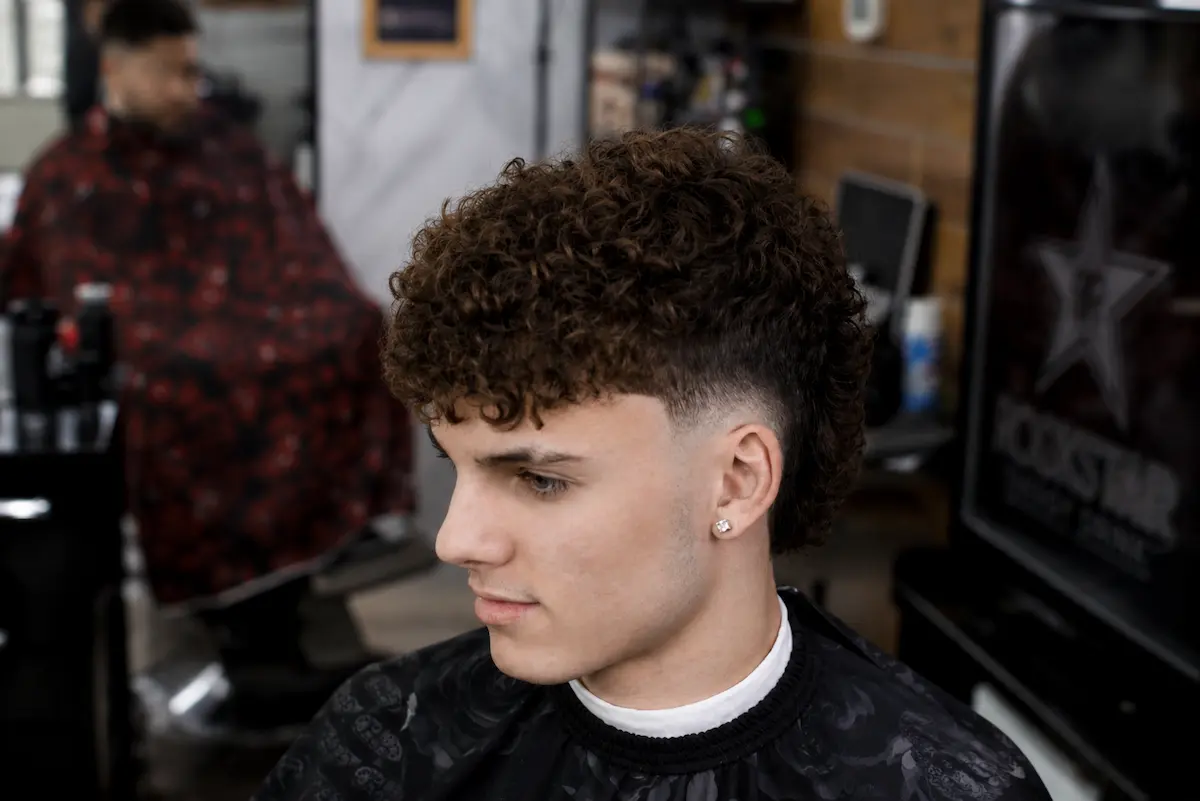 Instagram and online galleries are useful tools. They allow you to see a barber’s technique before booking an appointment.
But they also show you a carefully selected version of someone’s work.
Most barbers post their strongest haircuts, photographed immediately after finishing, usually with professional styling products and flattering lighting.
There’s nothing wrong with that. The important thing is knowing what the photographs can and cannot tell you.
Look for Haircuts Similar to Yours
If you have curly hair, pay attention to how the barber works with curls. If you want a longer hairstyle, don’t base your decision entirely on a gallery filled with skin fades. Try to find multiple examples rather than judging someone from a single haircut. Look at whether the results seem consistent across different clients. A barber’s portfolio should give you some idea of the types of work they regularly perform.Look at the Whole Haircut
A close-up of a fade can look fantastic while hiding the overall shape. Try to find photographs showing more than one angle. The transition between the top and sides, the balance around the crown, and the finished neckline can tell you a lot about the haircut. A technically impressive fade isn’t especially useful if the longer hair on top doesn’t connect naturally or suit the client’s head shape.Remember That Photos Don’t Show Everything
A photograph won’t tell you whether an appointment started on time, whether the barber listened carefully, or how the haircut looked two weeks later. It also won’t tell you how the barber responded when the client wanted a small adjustment. That’s why I wouldn’t recommend choosing someone based only on their social media presence. Use photographs to evaluate visible technique. Use reviews, conversations, and your own experience to evaluate everything else.How to Read Barber Reviews the Right Way
Google reviews can be extremely helpful when you’re trying someone new, but the overall star rating is only part of the story. I’ve seen how easy it is for clients to focus on an impressive rating without reading the details behind it. A detailed review often tells you more than a short comment saying the haircut was great.Look for Specific Feedback
Pay attention to reviews that discuss what the barber actually did. For example, comments about how well a barber understood a reference photo, handled difficult hair, explained a recommendation, or maintained a consistent result over several visits are particularly useful. If you see the same barber mentioned positively across multiple detailed reviews, that’s another helpful signal.Consistency Is More Meaningful Than a Single Review
One very positive or negative review shouldn’t determine your entire decision. Instead, look for recurring patterns. Do customers repeatedly mention that the barber listens carefully? Do people describe returning to the same person over several appointments? Are there repeated complaints about rushed services or unclear communication? Patterns are generally more informative than isolated experiences.Pay Attention to How Problems Are Handled
No service business gets everything right every time. What’s more revealing is how the business responds when a client raises a concern. A professional, respectful response suggests that customer feedback is taken seriously. Dismissive or argumentative responses may be worth considering before booking.
My advice:
Don’t read reviews just to find out whether people liked the shop. Read them to understand whether customers with needs similar to yours had the experience they expected.
What a Good First Consultation Should Look Like
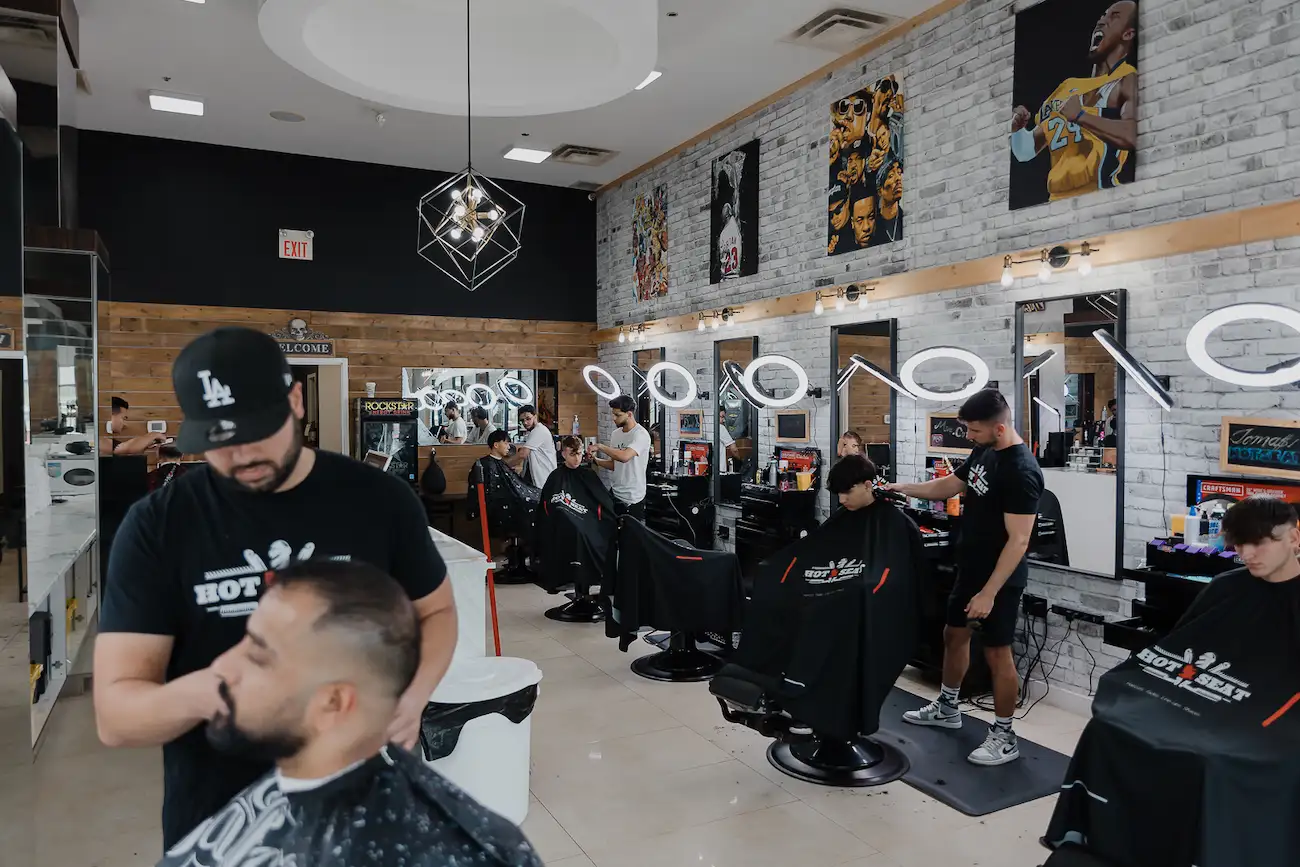 One of the most important parts of a haircut happens before the cutting begins.
A good consultation doesn’t need to be formal or complicated. Sometimes it’s only a short conversation. But it should give both you and your barber a clear understanding of the result you’re trying to achieve.
I’ve noticed that many clients focus heavily on the finished haircut while overlooking the conversation that led to it.
That conversation matters because it gives the barber information that can’t always be determined by looking at someone’s hair.
“What Did You Like or Dislike About Your Last Haircut?”
This is one of the most useful questions a barber can ask. Maybe your previous fade was too high. Maybe the sides looked good, but the top felt too heavy. Perhaps the haircut was fine initially but became difficult to manage after a couple of weeks. Understanding those details helps prevent the same problem from happening again. It’s also more informative than simply asking for “the usual” when you’re visiting someone for the first time.“How Often Do You Normally Get Your Hair Cut?”
Someone who books an appointment every two weeks has different maintenance needs from someone who visits every five weeks. A very short fade may look sharp immediately after cutting, but its clean edges will become less defined as the hair grows. If you prefer longer gaps between appointments, a softer taper or a slightly different balance between the top and sides may be easier to maintain. Neither approach is automatically better. The haircut should match the schedule you’re comfortable with.“How Much Time Do You Spend Styling Your Hair?”
This question can save a lot of frustration. Some hairstyles require a blow dryer, a brush, styling products, and a few minutes of effort each morning. Others need very little attention. If you prefer to wash your hair, run your hands through it, and leave, it’s worth being upfront about that. A barber should be able to explain whether your preferred style is realistic for your routine.“Is There Anything You Definitely Don’t Want Changed?”
This might be the most overlooked part of a consultation. Some clients are comfortable experimenting with their haircut. Others are particularly sensitive about their hairline, fringe, beard shape, or the amount of length removed from the top. Being clear about those boundaries helps avoid misunderstandings. You should never feel awkward about asking a barber to confirm the length before cutting.How to Recognize a Skilled Barber During an Appointment
Most clients can tell whether they like a haircut, but recognizing the technical reasons behind a good result isn’t always easy. There are several things you can observe without having professional barbering knowledge.They Check the Haircut From Different Angles
Haircuts need to work from the front, sides, and back. A barber who occasionally steps away from the chair, checks the balance, and looks at the shape from different angles is paying attention to the overall result. Sometimes a haircut looks balanced in the mirror but needs a small adjustment around the crown or neckline. Those details matter, especially once the hair starts growing.They Understand How Hair Grows
Cowlicks, uneven density, receding hairlines, and differences in growth direction can all influence the final shape. A barber who understands these challenges can adjust the cutting technique rather than trying to force every client’s hair into the same style. For example, removing too much weight from the wrong area may cause thick hair to stick out. Cutting a cowlick too short can make it more difficult to control. The goal is to work with the hair’s natural behaviour wherever possible.They Know When to Recommend a Different Approach
Sometimes a client arrives with a reference photo that doesn’t translate well to their own hair. That might be because the model has a different texture, density, hairline, or length. A barber who simply agrees to everything may avoid an uncomfortable conversation, but that doesn’t necessarily help the client. It’s better to explain the differences and suggest adjustments that preserve the overall style. Good recommendations should be understandable. A client doesn’t need to know every technical detail, but they should understand why a particular approach makes sense.They Pay Attention to the Finishing Details
Clean necklines, balanced sideburns, smooth transitions, and thoughtful beard shaping contribute to the overall appearance. Beard work is especially important because the beard and haircut need to complement each other. A rushed beard trim or an overly sharp line can change the balance of a face, even when the haircut itself is well executed. Good finishing work should look intentional rather than simply adding more sharp lines.The Haircut Works Without Professional Styling
Styling products can make a haircut look excellent immediately after the appointment. But a haircut should also have a sensible underlying shape. Ask how the style will behave after washing, whether you’ll need a particular product, and how to recreate the result at home. That information helps you understand the haircut rather than relying entirely on the barber to style it perfectly.How to Explain What You Want to a New Barber
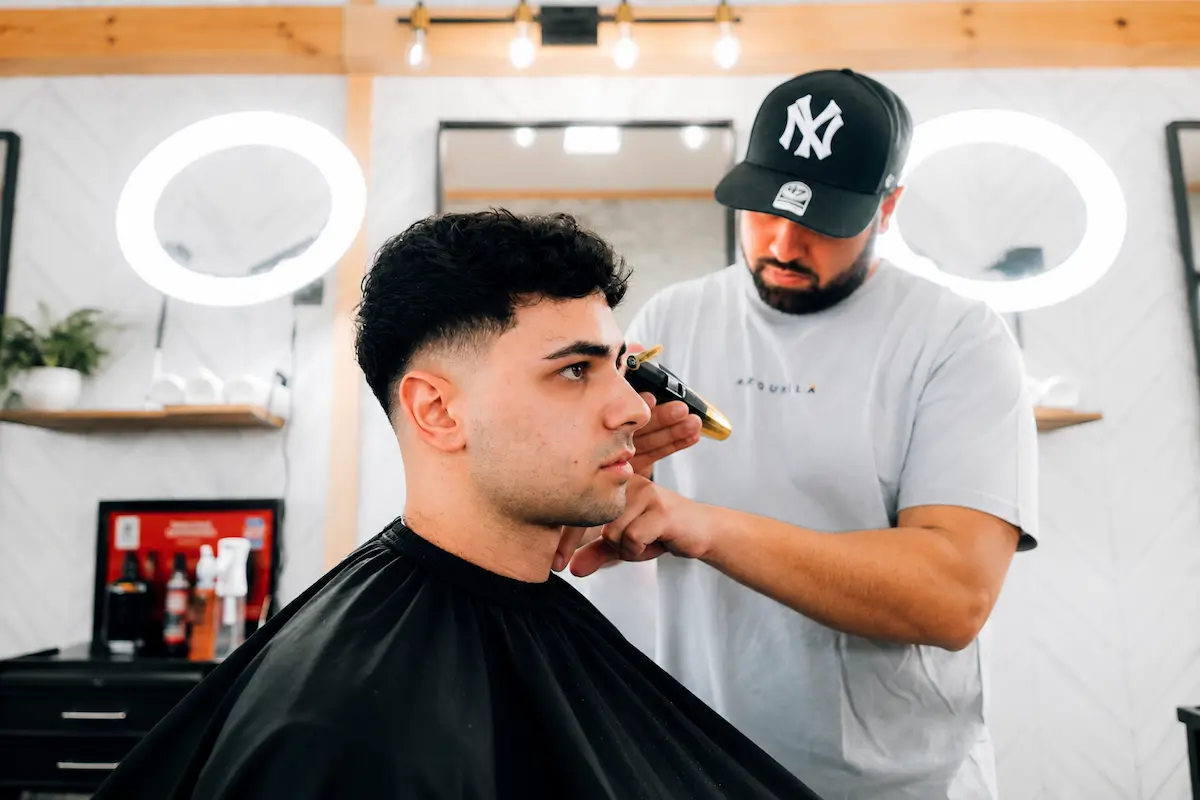 You don’t need to speak like a professional barber to communicate clearly.
In fact, describing what you want in everyday language is often more useful than using technical terms you’re unsure about.
For example, rather than simply saying “give me a fade,” explain how short you want the sides, where you’d like the transition to begin, and whether you prefer a subtle or high-contrast result.
If you’re happy with your current style but want it cleaned up, say that.
Some clients assume the barber will automatically understand exactly what “a little shorter” means. Unfortunately, everyone has a different idea of how much length that involves.
Use Reference Photos Properly
Reference photos are useful, but they work best when you explain what you like about them. Maybe you like the shape around the ears but want more length on top. Perhaps you like the texture but don’t want the fade to go as high. Tell your barber which parts of the photograph matter most to you. If you’re exploring different options, our guide to men’s haircut styles and grooming preferences can help you find examples to discuss. Remember that a photo should start a conversation, not replace one.Be Honest About Your Hair
If your hair becomes difficult to style when cut too short, mention it. If you don’t like having your hairline pushed back or you prefer a natural neckline, explain that before the work begins. These aren’t unreasonable requests. They’re useful details that help the barber understand your preferences.Common Mistakes People Make When Choosing a New Barber
Finding the right barber often becomes easier when you stop making a few common mistakes. Over the years, I’ve seen clients become disappointed not because they made a terrible choice, but because they expected things that hadn’t been discussed or relied on the wrong information before booking.Choosing Based Entirely on Instagram
A strong portfolio is helpful, but photographs can’t show everything. They won’t tell you whether the barber listens, respects appointment times, explains recommendations, or delivers consistent results over several visits. Use social media as part of your research, not as the only reason to book.Assuming the Most Expensive Barber Must Be the Best
Price can reflect experience, demand, operating costs, and the services included in an appointment. But a higher price doesn’t automatically mean a better match for your hair. Likewise, a more affordable appointment doesn’t necessarily mean lower quality. Focus on whether the barber provides the service, skill, and experience you’re looking for.Changing Barbers After Every Small Imperfection
There is a difference between a genuinely disappointing experience and a haircut that simply needs a small adjustment. Building a relationship with a barber takes communication. If the first haircut was generally good but you wanted slightly more length on top, explain that at the next appointment. A barber who knows what worked previously has a better starting point than someone meeting you for the first time. Of course, if your concerns are repeatedly ignored, it’s reasonable to try someone else.Choosing the Shop Without Considering the Individual Barber
This is something many people overlook. Even within the same shop, different barbers can have different strengths, working styles, and areas of experience. If you like a particular barber’s portfolio or see repeated positive reviews mentioning them, try booking directly with that person. The individual relationship is often what creates consistency over time.A Good Haircut Needs to Fit Real Life
One thing I’ve noticed after years of working with clients from different parts of the GTA is that many Richmond Hill clients are very practical about grooming. They care about appearance, but they also care about convenience, consistency, and how much effort their haircut will require. Some commute into Toronto. Others run businesses, work long shifts, raise families, or have schedules that make frequent appointments difficult. Not everyone wants a hairstyle that needs constant attention. Quite often, the request is something along the lines of:“I want something clean that still looks good in three weeks.”That’s a very different goal from choosing the most dramatic haircut you see online.
Think About How the Haircut Will Grow
A fresh haircut changes as the hair grows. That’s unavoidable. But the way it’s designed can influence how balanced it remains between appointments. Fade placement, weight distribution, length through the crown, and the connection between the sides and top can all affect the grow-out. For someone who visits frequently, a very sharp, close fade may make sense. For someone who prefers waiting longer, a softer transition or slightly more length may be easier to manage. The important thing is discussing these trade-offs rather than assuming every haircut should follow the same maintenance schedule.Important Events May Change the Conversation
Another pattern I’ve noticed is that clients become more specific when they have an important event coming up. Before a job interview, wedding, graduation, or family photo session, people often want a haircut that looks polished without feeling unfamiliar. For weddings in particular, timing becomes important. Many clients ask whether they should get their haircut on the day of the event or a few days earlier. For some styles, scheduling a haircut two to four days beforehand allows the finish to settle slightly while remaining fresh. But the ideal timing depends on the hairstyle, how quickly your hair grows, and your personal preference. If you’re considering a major change, trying it for the first time immediately before an important occasion may not be the best idea. A barber who understands the occasion can help you make that decision.How to Evaluate Your First Appointment
Once the appointment is finished, take a moment to look at the haircut from different angles. Don’t focus only on how the front looks in the mirror. Check the sides, neckline, and overall balance. Most importantly, think about whether the result matches what you discussed before the haircut began.Does the Haircut Feel Like You?
This may sound obvious, but it’s important. A haircut can be technically well executed and still feel wrong for the person wearing it. If you asked for a natural, conservative style and received something dramatically sharper, the result may not reflect your expectations. Personal preference is part of a successful haircut.Can You Style It Yourself?
After washing your hair at home, see how easily you can recreate the general shape. It doesn’t have to look exactly like it did under professional lighting with fresh styling products. But it should be manageable with the routine you discussed. If you’re struggling, ask the barber for a styling recommendation. Sometimes a different drying technique or a small amount of product makes a noticeable difference.How Does It Look Between Appointments?
Many people judge a haircut entirely on the first day. In my experience, it’s also worth paying attention to how it develops over the following couple of weeks. Does the shape still feel balanced? Is the top becoming difficult to control? Does the neckline grow out in a way you’re comfortable with? Be realistic about the style you chose. Very short haircuts naturally change appearance quickly. What you’re evaluating is whether the result continues to work reasonably well for your expectations and maintenance habits.Signs You’ve Found a Barber Worth Returning To
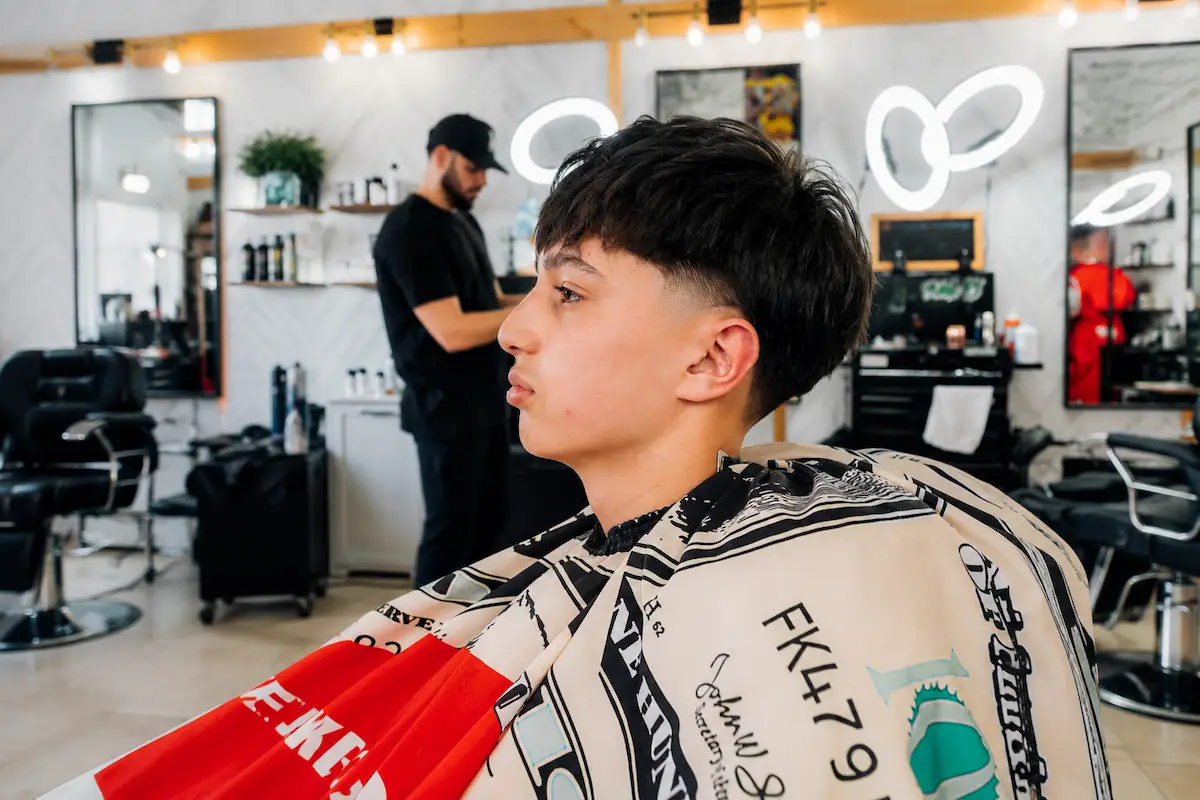 Finding the right barber doesn’t always happen after one appointment.
Sometimes the first visit is good, the second is better, and by the third appointment the process has become much easier.
That’s usually because both people have developed a clearer understanding of what works.
You Spend Less Time Explaining Yourself
During the first appointment, it’s normal to discuss your preferred length, fade height, hair texture, and styling habits. Over time, a regular barber becomes more familiar with those details. You may still want changes, but you shouldn’t feel as though every appointment starts from zero.Recommendations Become More Personal
Once a barber understands your hair and routine, they can offer more specific suggestions. Maybe they notice that a certain length works better around your crown. Perhaps they recommend adjusting the fade slightly because you’ve started waiting longer between appointments. These recommendations become more useful when they’re based on familiarity with your hair rather than general trends.You Feel Comfortable Speaking Honestly
A good relationship should allow you to say when something isn’t quite right. You should feel comfortable asking for a shorter neckline, a little less product, or a different beard shape. Professional communication works both ways. Clients explain their preferences, and barbers offer guidance when they believe a different approach will produce a better result.Trust Can Extend Beyond One Client
Something that happens naturally in barbering is that satisfied clients begin recommending their barber to friends and family. Someone finds a barber they trust, then a brother or friend books an appointment. Sometimes a parent later looks into bringing their child to the same shop. That doesn’t mean every barber is equally suited to every age group. Children’s haircuts require patience and a different approach to communication. If you’re looking for that kind of service, you can read more about haircuts for kids in Richmond Hill. For adult clients, the main point is that trust tends to grow through repeated positive experiences rather than one impressive haircut.Practical Things to Consider When Booking in Richmond Hill
Knowing how to choose a barber in Richmond Hill also involves considering the practical details of regular appointments. Richmond Hill covers a fairly large area, and the easiest shop to visit may depend on where you live, work, or travel during the week. For someone near Elgin Mills Road, a nearby appointment may fit comfortably into an evening routine. Someone travelling from Oak Ridges or commuting along Yonge Street may have different priorities. Location shouldn’t determine your entire decision, but convenience can make it easier to maintain a consistent relationship with a barber.Check the Booking Process
Find out whether you can book with a specific barber and how appointment times are managed. If consistency is important to you, being able to select the same professional each time is useful. It’s also worth understanding the shop’s cancellation or rescheduling policies before your first visit.Think About the Services You Need
If you normally combine your haircut with beard trimming, check whether both services are offered and whether enough time can be reserved for them. Don’t assume every appointment includes exactly the same services. Clarifying these details before booking helps avoid surprises.Consider the Overall Experience
A clean, comfortable environment, clear communication, and reasonable scheduling can all contribute to a better appointment. These aren’t replacements for technical skill, but they do affect whether you’ll enjoy returning regularly. The goal isn’t simply to find the closest available chair. It’s to find a professional whose work and approach suit you.Watch: What Should You Look for in a Good Barber?
Some aspects of haircutting are easier to understand when you can see them. Consultation, blending, careful finishing, and the way a barber approaches different hair textures can all become clearer through visual examples.Before You Book: A Practical Checklist
If you’re comparing several options, you don’t need to spend hours researching every barber in the area. A few useful questions can help you narrow the choice.
Ask yourself:
You don’t need perfect answers to every question. You’re simply looking for enough information to make a reasonable decision.
After your first appointment, your own experience will tell you more than any online checklist.
- Have I seen examples of work similar to the haircut I want?
- Does the barber have experience with my hair texture?
- Do reviews mention consistency and good communication?
- Can I book with the same barber again?
- Am I clear about what I liked and disliked about my previous haircut?
- Does the location fit my normal routine?
- Do I understand the services included in the appointment?
- Will I feel comfortable discussing adjustments or concerns?
Frequently Asked Questions About Choosing a Barber
How do I choose a good barber in Richmond Hill?
Start by finding examples of haircuts similar to yours. Read detailed customer reviews, look for a barber who works with your hair texture, and explain your expectations before the first cut. Pay attention to communication, technique, and how manageable the haircut remains after you leave.
What should I ask a barber before my first haircut?
Ask whether your preferred style will work with your hair type, how much length will be removed, how frequently the style needs maintenance, and what products or styling techniques you may need at home. A good consultation should make these expectations clear.
How can I tell whether a barber is experienced?
Look for consistent examples of their work, careful consultations, attention to hair growth patterns, balanced cutting, and clear explanations. Detailed reviews from returning clients can also be useful. Experience matters most when it relates to the type of haircut you want.
Should I choose a barber based on Instagram photos?
Photos can help you evaluate technique and style, but they don’t show the entire customer experience. Combine portfolio photos with reviews, communication, and your own first appointment before making a long-term decision.
Is it better to stay with the same barber?
Staying with a barber who consistently delivers good results can make future appointments easier. Over time, they become familiar with your preferences, hair growth patterns, and styling habits. However, you should feel comfortable changing barbers if your needs aren’t being met.
What if my haircut doesn’t look like my reference photo?
Hair texture, density, length, and growth patterns can affect how closely a haircut matches a photograph. If the result differs from what you agreed on, explain your concern clearly. A professional barber should be willing to discuss what can reasonably be adjusted.
How do I know if a haircut will be easy to maintain?
Tell your barber how often you get haircuts and how much time you spend styling your hair. Ask how the style is likely to grow out and whether it requires daily styling products or tools. A suitable haircut should work with your routine rather than create unnecessary maintenance.
Is a barber better than a salon for men’s haircuts?
Not necessarily. Barbers often specialize in shorter cuts, fades, and beard grooming, while hairstylists may work across a broader range of lengths and services. The individual professional’s experience with your preferred style is more important than the category of business.