
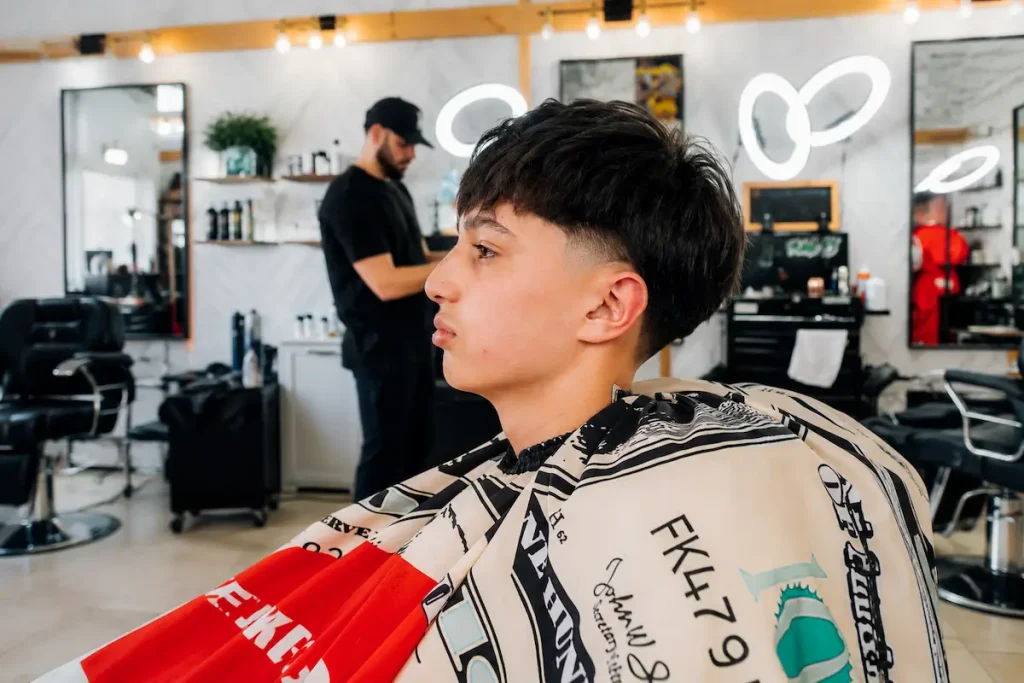
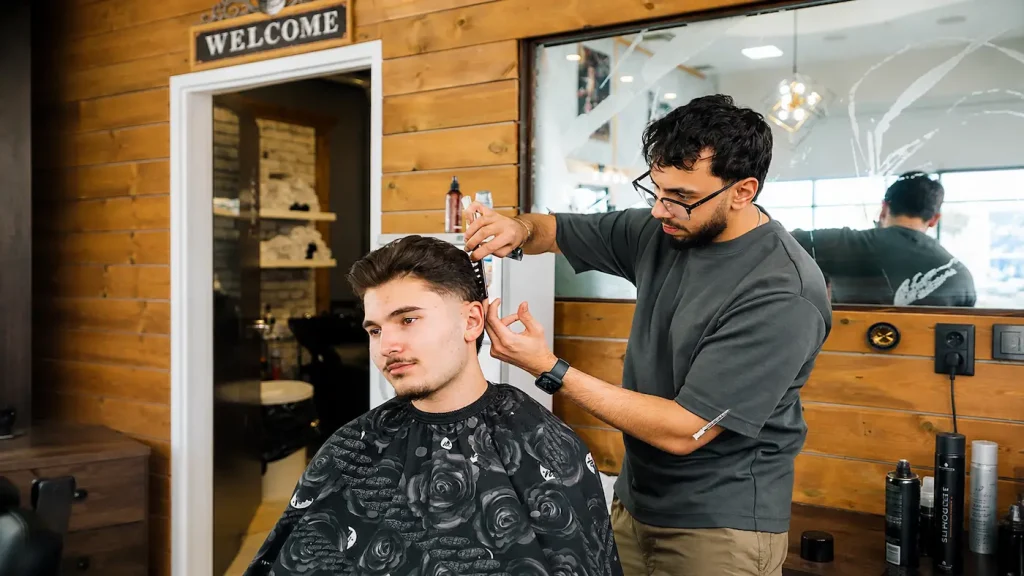
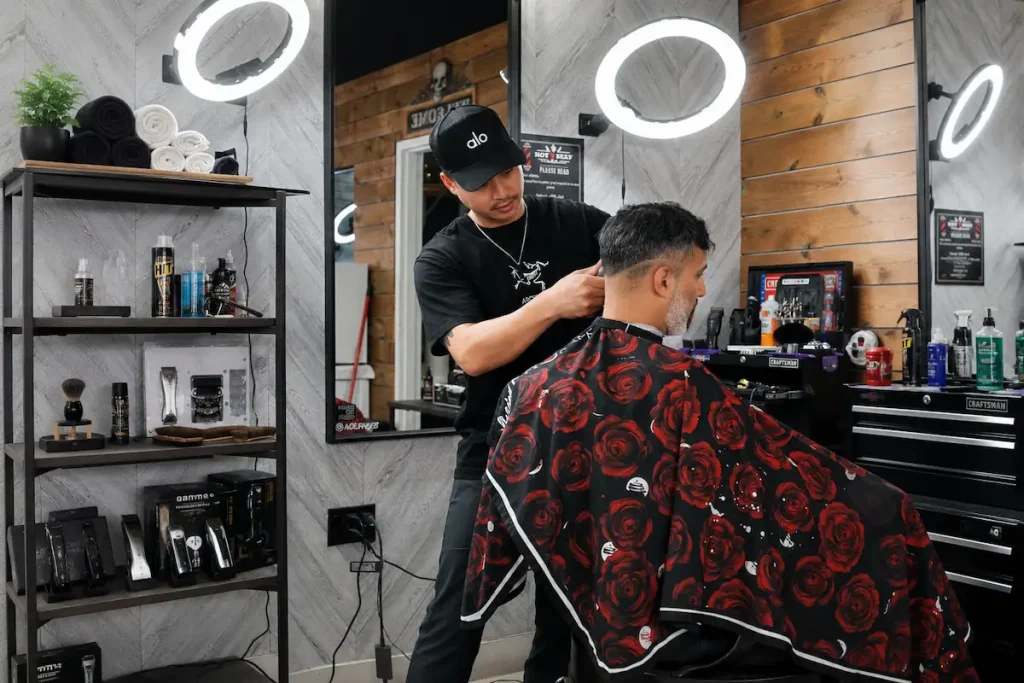
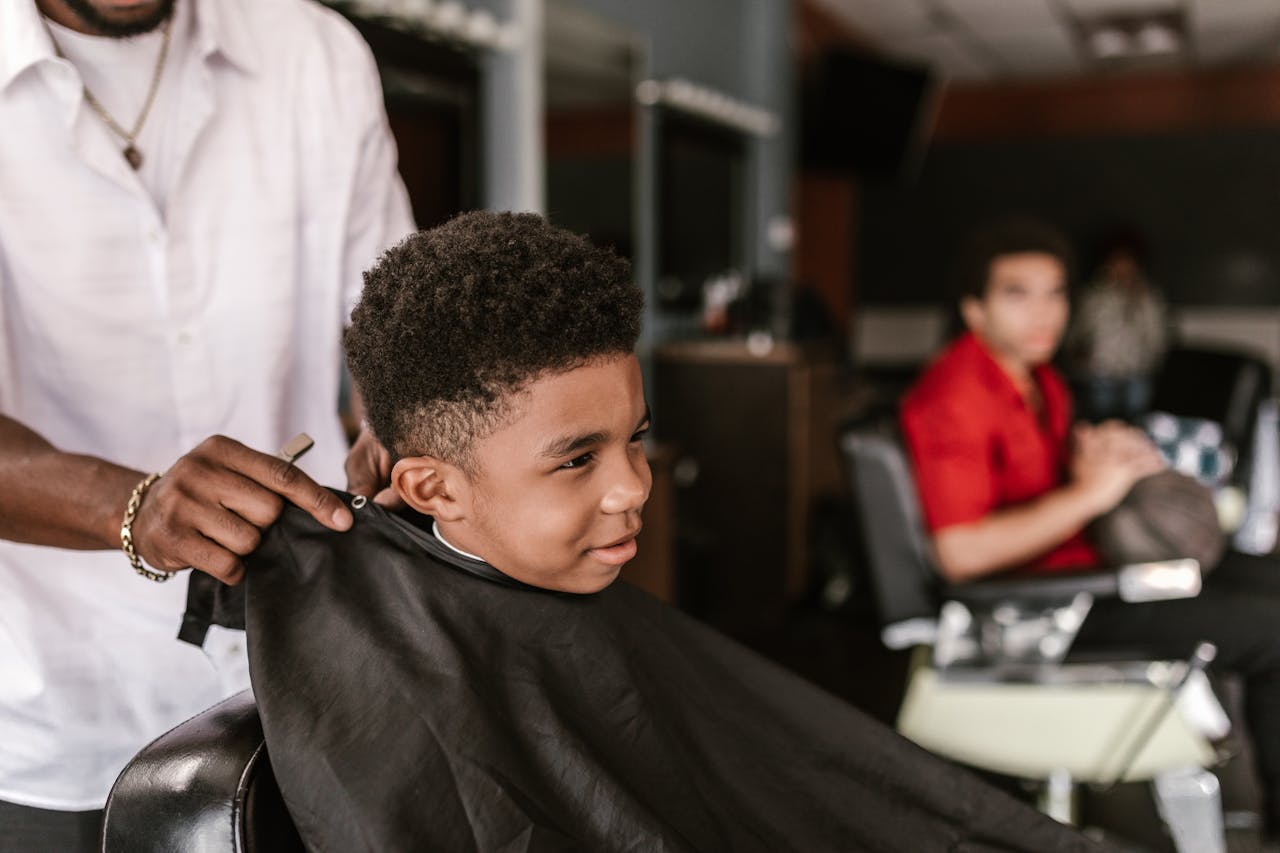
 People assume the hard part of this job is fades — blending, lining up the skin, getting the gradient just right. Honestly, the real advanced technique some days is getting a seven-year-old to sit still for fifteen minutes without turning it into a negotiation.
Every August I go through the same conversation dozens of times: parent wants low-maintenance, kid wants “the one from the video,” and somewhere in the middle is a haircut that actually works for their hair type and their morning routine. That’s what this list is for — real options I recommend at the chair, not just what’s trending on a feed somewhere.
People assume the hard part of this job is fades — blending, lining up the skin, getting the gradient just right. Honestly, the real advanced technique some days is getting a seven-year-old to sit still for fifteen minutes without turning it into a negotiation.
Every August I go through the same conversation dozens of times: parent wants low-maintenance, kid wants “the one from the video,” and somewhere in the middle is a haircut that actually works for their hair type and their morning routine. That’s what this list is for — real options I recommend at the chair, not just what’s trending on a feed somewhere.
What Makes a Good Back to School Haircut?
Before I get into specific styles, it helps to explain how I actually land on a recommendation, because it’s rarely just “this cut is popular right now.” A few things I’m always weighing:- Age. What a five-year-old will tolerate in the chair and what a fourteen-year-old wants to see in the mirror are two very different conversations.
- Hair type and growth pattern. Straight, wavy, curly, and coily hair all hold a shape differently, and a cut that looks great on one texture can fall flat — sometimes literally — on another.
- Face shape. This isn’t about following a rulebook, but certain lengths on top or amounts of taper genuinely sit better on some faces than others.
- How much the kid will actually style it. There’s a big gap between what a parent wants to do with a comb each morning and what actually happens once the kid is in charge.
- School dress codes. Some schools still have opinions about hair length, colour, or shaved patterns, so it’s worth checking before falling in love with something bold.
- How often they’ll realistically come back in. A style that needs a barber every two weeks isn’t low-maintenance just because it takes no product.
- The kid’s own personality. Some children want to blend in, some want to stand out, and by around age nine or ten, most have a strong opinion either way.
10 Best Back to School Haircuts for Kids & Teens in 2026
None of these are ranked “best to worst” — they solve different problems depending on the child. Here’s what I actually put in the chair most often heading into a new school year.1. Low Taper Fade
A low taper keeps the fade close to the hairline and around the ears, without pushing high up the sides like a skin fade would. It’s a safe, school-friendly choice because it reads as tidy without looking like a dramatic change overnight — which matters if a kid isn’t used to attention. Styling-wise, it usually needs very little — a comb-through or a bit of product on top if there’s length to work with. The trade-off is maintenance frequency: because the taper blends gradually, it grows out fairly gracefully, but it will start looking soft around the neckline and ears after three to four weeks, so it’s not a “set it and forget it” style for the whole semester.2. Textured Crop
If a parent tells me their kid “won’t do anything” with their hair in the morning, this is usually where I steer them. The top is cut with texture using shears or a texturizing technique, kept short enough that it falls into place with minimal effort, sometimes with just a towel-dry. It works particularly well on hair with natural movement — waves or a slight curl pattern do a lot of the styling on their own. On very straight, fine hair it can look a little flatter without some product, so I’ll usually mention a small amount of matte paste if that’s the texture we’re working with.3. Classic Crew Cut
I wouldn’t call this a boring haircut — I’d call it a dependable one. Short on the sides, slightly longer on top, no fade to maintain sharply and no styling routine required. Parents like it because there isn’t much that can go wrong with it between visits, and it works on almost every hair type without a fight. It’s a good option for younger kids who are still building patience for haircuts, and for parents who’d rather not be back in the chair every three weeks just to keep a fade line clean.4. Mid Fade with Textured Top
This is the more contemporary version of the crew cut — a bit more shape, a bit more personality, and a noticeable step up in styling and upkeep. The fade sits higher and more visibly than a low taper, and the top is left with enough length to add texture or a slight push-up. This one does need a little morning effort, even if it’s just working a small amount of product through damp hair, and the fade will need refreshing more often to stay sharp. I usually recommend this for older kids and teens who actually want to spend a minute or two on their hair, rather than younger kids who’d rather not think about it.5. Curly Taper
 For kids and teens with natural curls, I try to steer away from anything that fights the curl pattern. A curly taper keeps the sides tapered or faded while leaving enough length on top for the curls to actually curl — cutting too much off the top on curly hair often just leaves it looking shorter and less defined, not neater.
The length you leave matters more than people expect. Too short and the curl pattern doesn’t get a chance to show its shape; too long without shaping and it can look unstructured. Curly hair is also trickier to judge wet — it often shrinks up and sits differently once it dries, so a cut that looks a little long right after a rinse can end up exactly right by the next morning.
For kids and teens with natural curls, I try to steer away from anything that fights the curl pattern. A curly taper keeps the sides tapered or faded while leaving enough length on top for the curls to actually curl — cutting too much off the top on curly hair often just leaves it looking shorter and less defined, not neater.
The length you leave matters more than people expect. Too short and the curl pattern doesn’t get a chance to show its shape; too long without shaping and it can look unstructured. Curly hair is also trickier to judge wet — it often shrinks up and sits differently once it dries, so a cut that looks a little long right after a rinse can end up exactly right by the next morning.
6. Side Part / Classic Scissor Cut
Not every kid wants a fade, and that’s a completely reasonable preference. A side part with a scissor cut all over gives a clean, classic look without any clipper work close to the skin — good for kids who are sensitive around their ears, or for families who just prefer a more traditional style. This one leans on a defined part and a bit of length up top, so it does ask for a comb in the morning, but there’s no fade line to worry about maintaining between cuts.7. French Crop
A French crop pairs short, tight sides with a slightly longer, blunt fringe across the front. It’s practical because the fringe does most of the visual work, and it suits thicker, straighter hair especially well since that texture holds the fringe’s shape without much product. On finer hair, the fringe can need a touch of product to keep from going flat by lunchtime, but it’s still one of the more efficient styles for kids who want something a bit more current without needing a full styling routine.8. Burst Fade
This is a bolder option, and I mostly recommend it for teenagers who want something with more edge. The fade “bursts” around the ear in a curved shape rather than running in a straight line, which gives it a sharper, more graphic look than a standard taper. Trendier doesn’t automatically mean impractical — a burst fade isn’t high-maintenance day to day, since there’s usually not much length on top to style. It does need more frequent barber visits to keep that curved line looking clean, since it loses definition faster than a straighter fade as it grows out.9. Modern Mullet
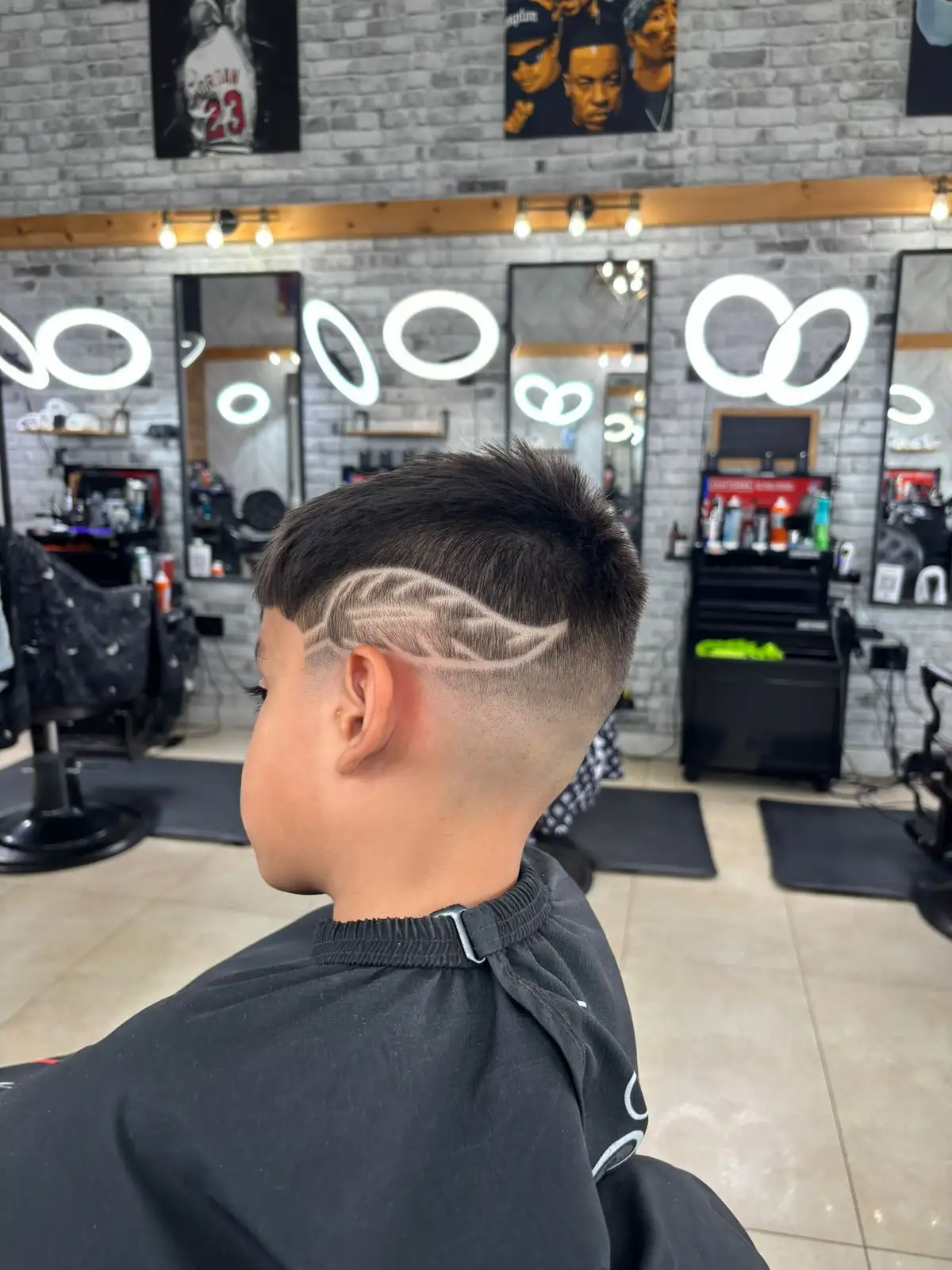 I’ll say this one honestly: a mullet isn’t for every kid, and it’s not a style I’d push on a family who isn’t already asking for it. But when a teen specifically wants one, a modern version — shorter, more tapered sides with a controlled amount of length at the back — looks intentional rather than like an accident that happened during a growth spurt.
I still remember the exact face a parent made the first time their son asked me for one. It wasn’t anger, exactly — more like watching their kid choose a personality trait in real time. The key with a modern mullet is restraint: keep the sides tidy and the length at the back proportional, and it reads as a deliberate style choice rather than “we forgot to book an appointment for two months.”
I’ll say this one honestly: a mullet isn’t for every kid, and it’s not a style I’d push on a family who isn’t already asking for it. But when a teen specifically wants one, a modern version — shorter, more tapered sides with a controlled amount of length at the back — looks intentional rather than like an accident that happened during a growth spurt.
I still remember the exact face a parent made the first time their son asked me for one. It wasn’t anger, exactly — more like watching their kid choose a personality trait in real time. The key with a modern mullet is restraint: keep the sides tidy and the length at the back proportional, and it reads as a deliberate style choice rather than “we forgot to book an appointment for two months.”
10. Longer Layered / Textured Cut
Not every good school haircut needs a fade, and I want to be clear about that, because a lot of “best haircuts” lists make it sound like every boy should be getting some version of a fade. Plenty of kids and teens do well with medium-length, layered hair that’s shaped to move naturally and stay out of their eyes. The key with longer styles for school is keeping the layers light enough that the hair doesn’t sit heavy or flop forward within a week. A bit of shaping around the face and a trim of the ends every six to eight weeks keeps it looking intentional rather than just “growing out.”How Do I Choose the Right Haircut for My Child?
This is probably the conversation I have most often, and it’s rarely just barber-to-parent. It’s barber, parent, and kid, all with slightly different priorities. A common scenario: a parent wants something short and easy, the kid wants something they saw online, and the reference photo they’re both looking at doesn’t actually match their child’s hair texture. My job isn’t to just pick a side — it’s to explain what’s realistic with the hair we’re actually working with, and then find a version of what the kid wants that still works for the parent’s daily routine. Once kids get to around eight or nine, I try to get their input directly rather than only talking to the parent over their head. A haircut a ten-year-old had no say in is a haircut they’re less likely to take care of — I’ve watched a kid go from proud to sulking in about thirty seconds when a parent overrules the one detail he actually cared about. Giving them a small amount of choice, even just “shorter or a bit more length on top,” tends to go a long way. When a reference photo doesn’t match the hair type in front of me, I say so early — before any cutting starts, not halfway through. I’ll usually explain what part of the photo we can achieve and what part we can’t, so nobody leaves disappointed by a haircut that was never going to look identical to a photo of someone else’s hair.How Long Before School Should You Get a Haircut?
My honest answer: a few days before the first day, not the night before or the morning of. A fresh cut, especially a fade or anything with a clear line, tends to look its sharpest right after it’s done and softens slightly over the following days. Getting it done three to five days ahead lets the cut settle a bit before school photos or the first day, and gives you a chance to see how it actually behaves once your child has slept on it and washed it once or twice. It also avoids the scheduling scramble that happens every year in the last week of August, when every barbershop in town is booked solid and “just squeeze us in” isn’t really an option. If there’s a school photo day, ask about that date specifically when booking, since it’s often not the same as the first day of school.Low-Maintenance Haircuts for Busy School Mornings
“Low-maintenance” gets used loosely, so I want to draw a real distinction here, because it matters for how you plan your family’s routine. Low daily styling effort means the haircut looks fine with little or no work each morning — think a crew cut, a textured crop on hair with natural movement, or a curly taper. You’re not reaching for product or a comb every day. Low barbershop maintenance is a different thing entirely, and it’s where a lot of parents get caught off guard. A fade might take zero effort to style in the morning, but it needs a barber visit every three to four weeks to keep the line sharp — once it grows out, it doesn’t fade gracefully, it just looks unfinished. A crew cut or a longer layered style, by comparison, can stretch closer to six to eight weeks before it starts looking untidy.| Haircut Style | Daily Styling Effort | Barbershop Visit Frequency |
|---|---|---|
| Classic Crew Cut | Very Low | Every 4–6 weeks |
| Textured Crop | Low | Every 4–6 weeks |
| Low Taper Fade | Low | Every 3–4 weeks |
| Curly Taper | Low | Every 4–6 weeks |
| Mid Fade with Textured Top | Medium | Every 3 weeks |
| Burst Fade | Low | Every 2–3 weeks |
| Longer Layered/Textured Cut | Medium | Every 6–8 weeks |
A Quick Note for Parents of Younger Kids
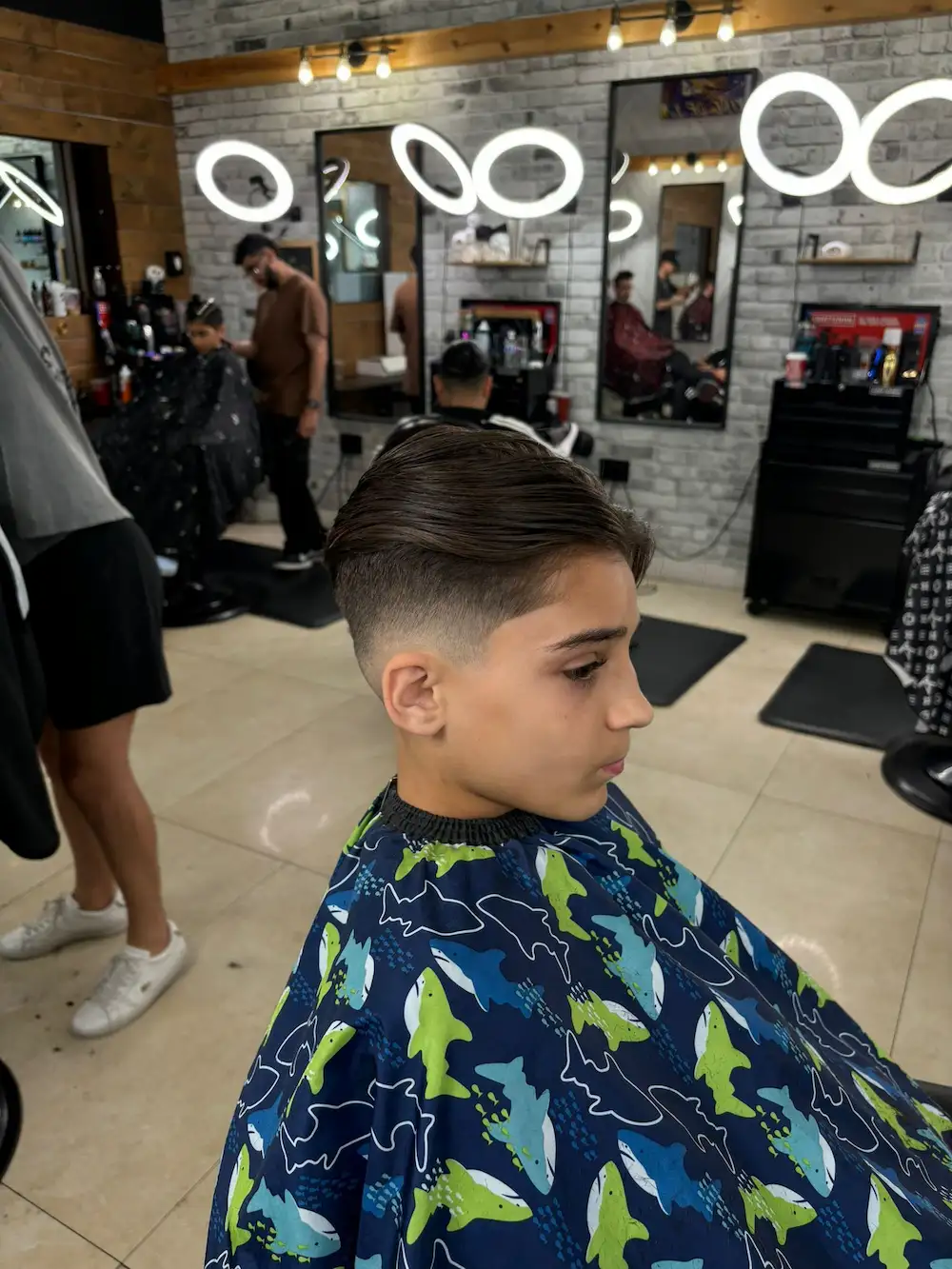 Cutting a young child’s hair is a genuinely different skill than cutting an adult’s, and it’s the part of this job that took me the longest to actually get good at.
A few things that consistently help:
Cutting a young child’s hair is a genuinely different skill than cutting an adult’s, and it’s the part of this job that took me the longest to actually get good at.
A few things that consistently help:
- Talk to your child about the haircut beforehand, even briefly — what a barbershop is, that there will be clippers, and that it’s okay to ask for a break if they need one.
- Bring a reference photo if your child has one they like, but stay open to a barber adjusting it for their actual hair.
- Try not to promise an exact replica of a photo — set the expectation that we’re using it as inspiration, not a blueprint.
- Let the barber talk directly to your child during the cut, even if you’re the one making the final decisions. Kids tend to relax more when they feel included rather than talked over.
- If your child is nervous about clippers specifically, mention it before we start. A lot of kids do fine with scissors around their ears but tense up the second clippers turn on, and there are ways to work around that.
How Often Should Kids and Teens Get a Haircut During the School Year?
There’s no single number that applies to every haircut, so I’ll break it down by style instead of giving one blanket answer:- Skin fades and burst fades: every 2–3 weeks to keep the line clean, since these grow out and lose definition the fastest.
- Taper fades: roughly every 3–4 weeks.
- Crew cuts and textured crops: every 4–6 weeks, depending on how quickly your child’s hair grows.
- Longer, layered, or curly styles: every 6–8 weeks, mostly to keep the shape and trim any split ends, rather than to maintain a specific line.
What I Usually Recommend Before the First Cut
If a parent asks me how to prepare for a back-to-school appointment, here’s what actually helps:- Save two or three reference photos rather than just one, so we’re working from a pattern rather than a single exact image.
- Try to pick photos of hair with a similar texture and density to your child’s — a photo of thick, straight hair isn’t a fair comparison if your child has fine or curly hair.
- Think honestly about how much time you or your child will actually spend styling it each morning, not how much time you’d like to spend.
- Ask your child what they like about the photo specifically — sometimes it’s the length, sometimes it’s just the colour or the person in the photo, and that changes what we should actually cut.
- Mention any school rules about hair length or shaved designs before we start, so we’re not redoing anything a week later.
Ready for a Fresh Cut for the School Year?
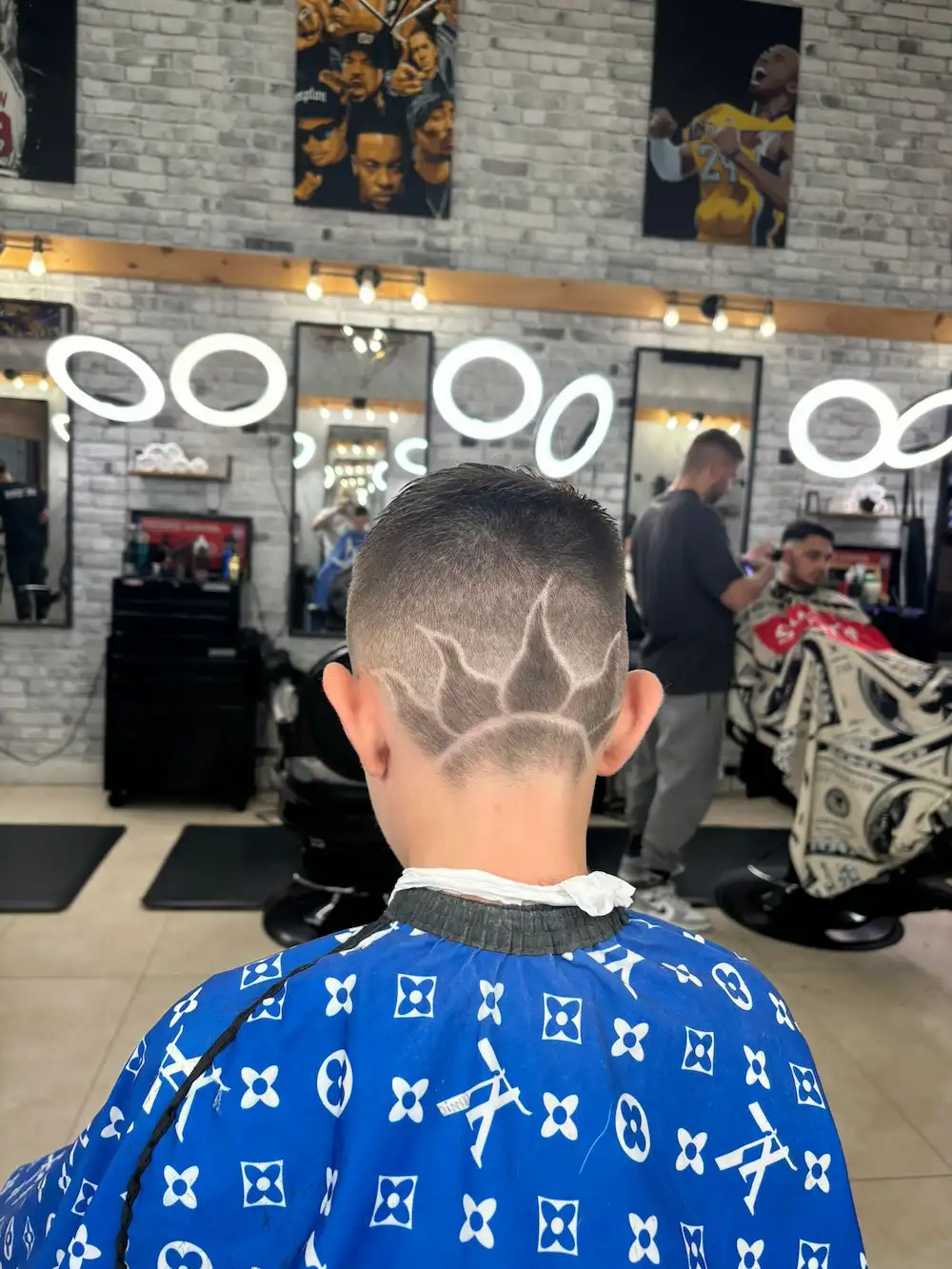 That’s the rundown of what I’m actually recommending at the chair this year — not a trend list, just the cuts that hold up to a real school schedule. If school’s already back in session, you’re not behind on anything. Plenty of the kids I see this time of year either didn’t get in before the first day or are coming off a summer cut that’s grown out and stopped looking like much of anything. The first few weeks back are still a perfectly good moment for a reset, whether that’s your child’s first back-to-school cut this year or just a tidy-up once the routine has settled in.
Hot Seat Barbershop is a barbershop in Richmond Hill, and this stretch of September stays busy for exactly that reason. If your child’s haircut needs a refresh, or you just want to talk through which of these would suit their hair, come find us — I’d rather take the time to get it right than rush through it.
That’s the rundown of what I’m actually recommending at the chair this year — not a trend list, just the cuts that hold up to a real school schedule. If school’s already back in session, you’re not behind on anything. Plenty of the kids I see this time of year either didn’t get in before the first day or are coming off a summer cut that’s grown out and stopped looking like much of anything. The first few weeks back are still a perfectly good moment for a reset, whether that’s your child’s first back-to-school cut this year or just a tidy-up once the routine has settled in.
Hot Seat Barbershop is a barbershop in Richmond Hill, and this stretch of September stays busy for exactly that reason. If your child’s haircut needs a refresh, or you just want to talk through which of these would suit their hair, come find us — I’d rather take the time to get it right than rush through it.
Frequently Asked Questions
What is the best back to school haircut for boys?
There isn’t one universal answer — it depends on hair type, how much styling your child will realistically do, and personal preference. A low taper fade or crew cut works well for low-maintenance mornings, while a curly taper or textured crop suits kids with natural texture who don’t want it cut away.What is the easiest school haircut to maintain?
Crew cuts and textured crops tend to need the least daily effort, especially on hair with some natural movement. Taper fades look sharp but need more frequent barber visits than a crew cut to stay clean around the neckline and ears.How many days before school should my child get a haircut?
I’d suggest three to five days before the first day. This gives the cut time to settle and gives your child a chance to get used to it before school photos or the first morning.How often should boys get a haircut during the school year?
It depends on the style. Fades generally need attention every 2–4 weeks to stay sharp, while crew cuts, textured crops, and longer styles can usually go 4–8 weeks between visits.What haircut is popular with teenage boys in 2026?
Textured crops, mid fades with texture on top, and burst fades are all cuts I’m asked for often this year, along with a fair number of requests for modern, cleaner takes on the mullet. Popularity aside, the right choice still comes down to a teen’s hair type and how much they want to style it each day.